
Kids Halloween Costume Ideas
Costumes that survive an actual evening of trick-or-treating: comfortable, warm enough for a cold night, and built so a seven-year-old can move, run, and climb stairs in them without help. The Potion-Brewer Coven, the Monster Household, and the gentler ghosts all live here, alongside genuinely cute takes on classic monsters.
The real test for any kids' costume isn't how it looks in a photo, it's whether it still looks good after two hours of actual trick-or-treating. Durability and ease of movement beat intricate detail every time.

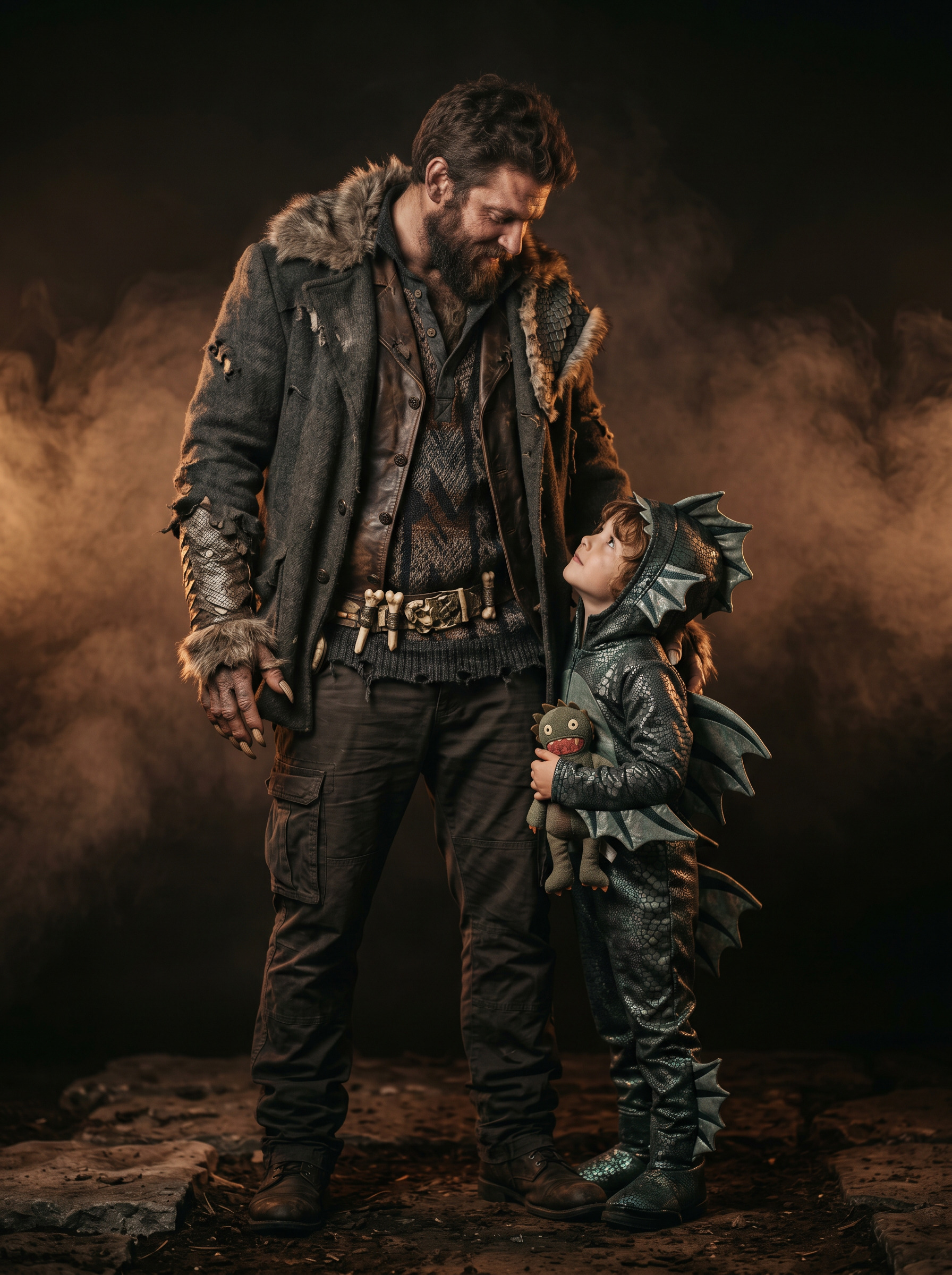

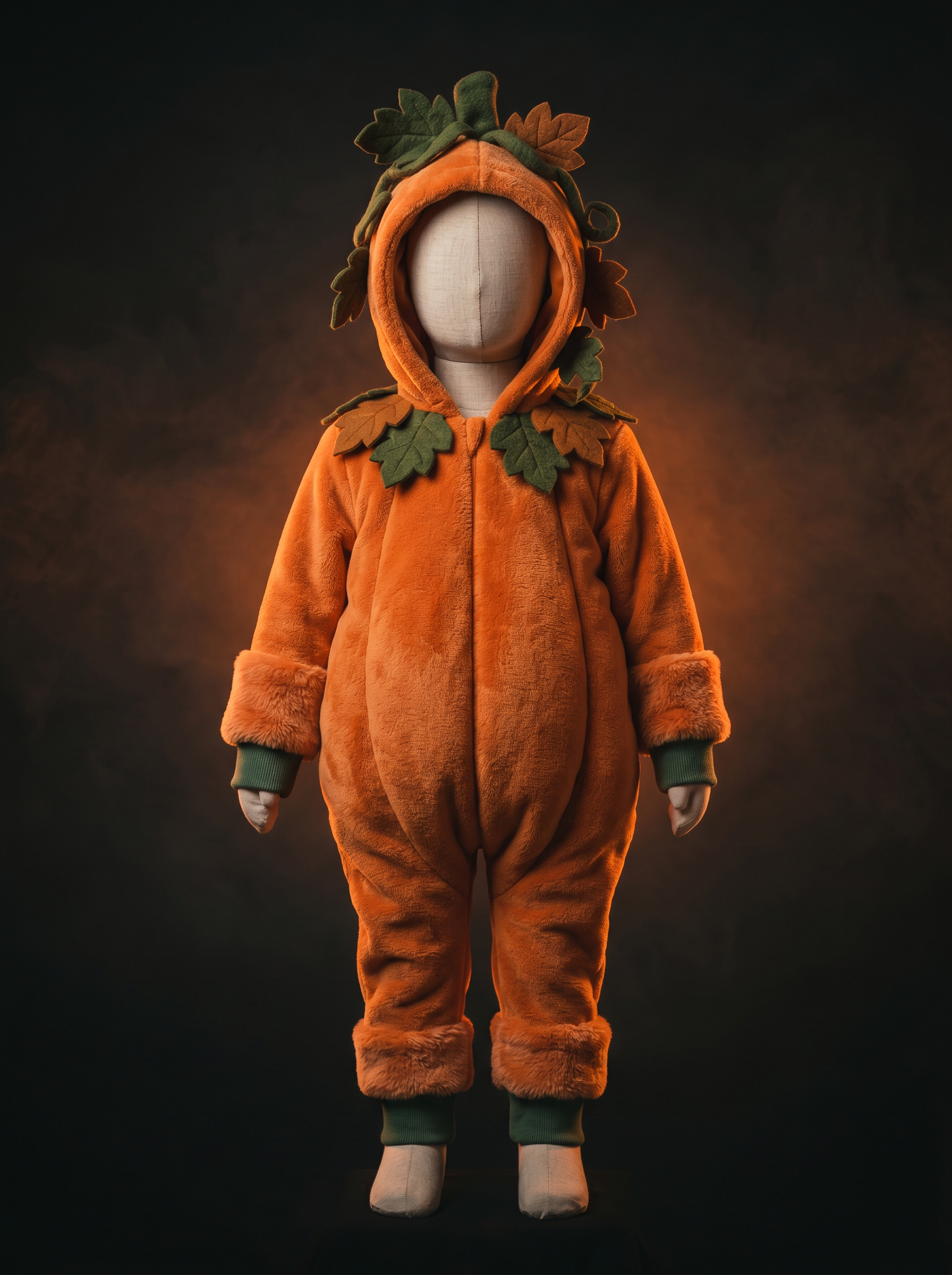
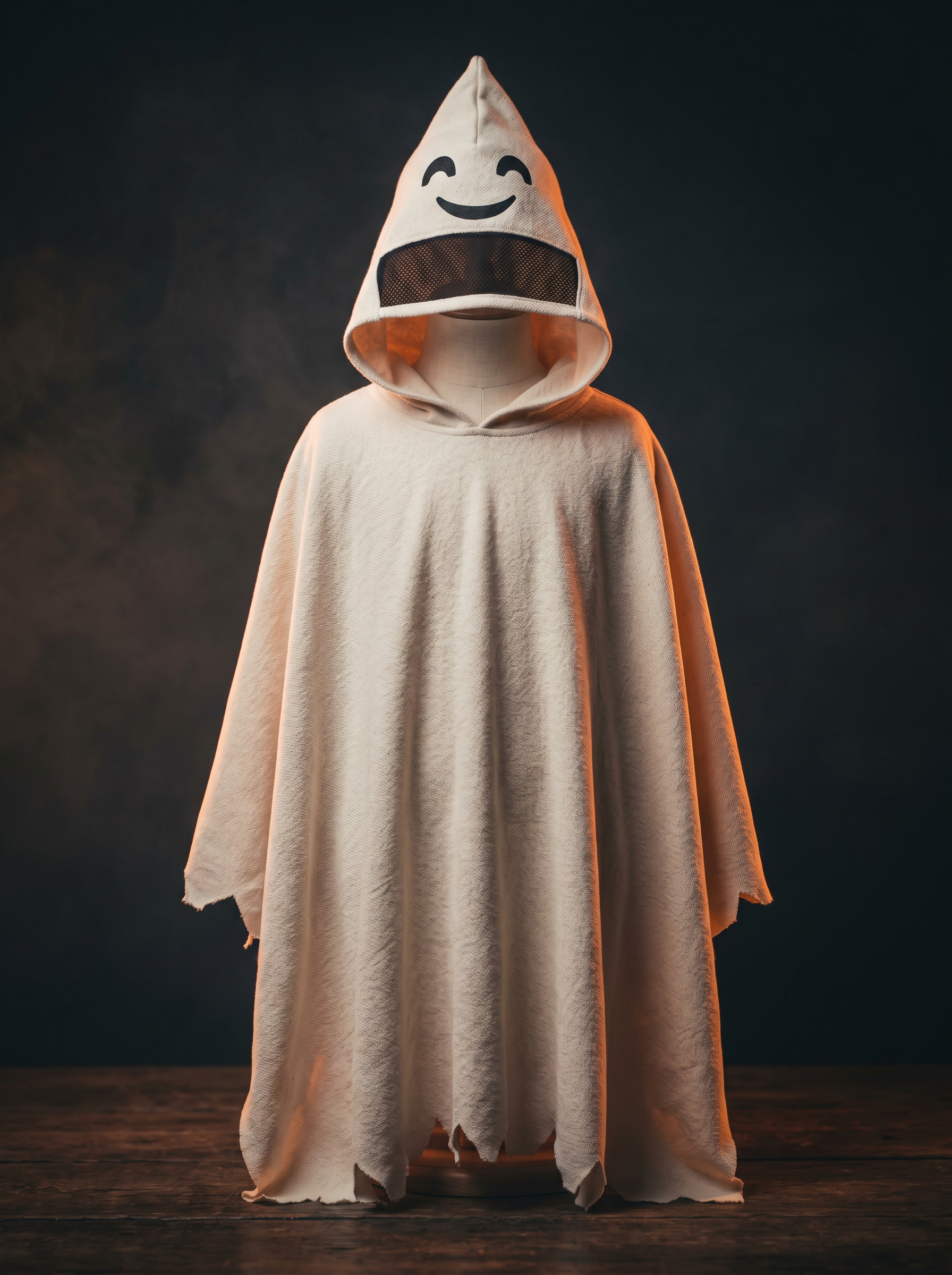
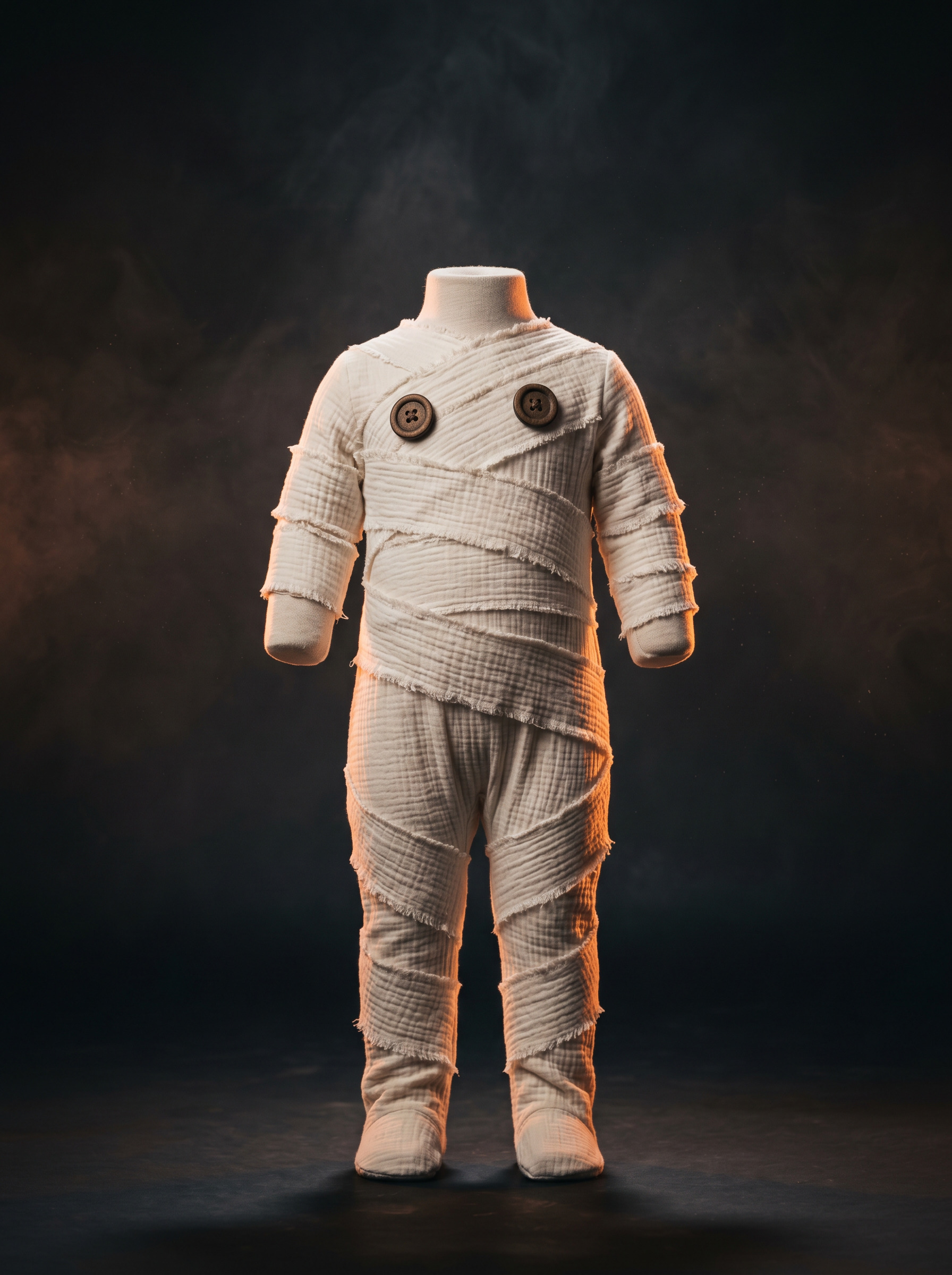
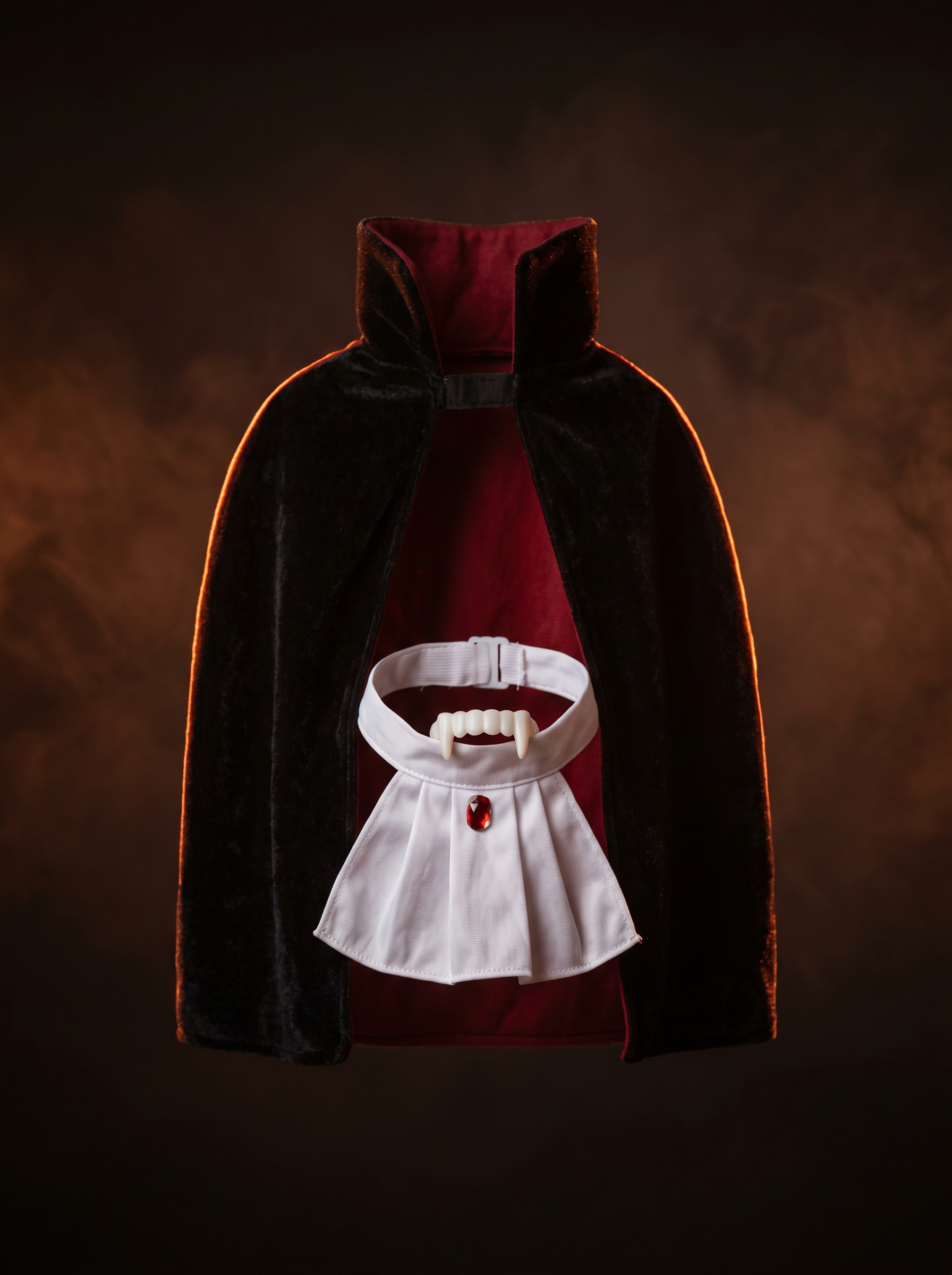
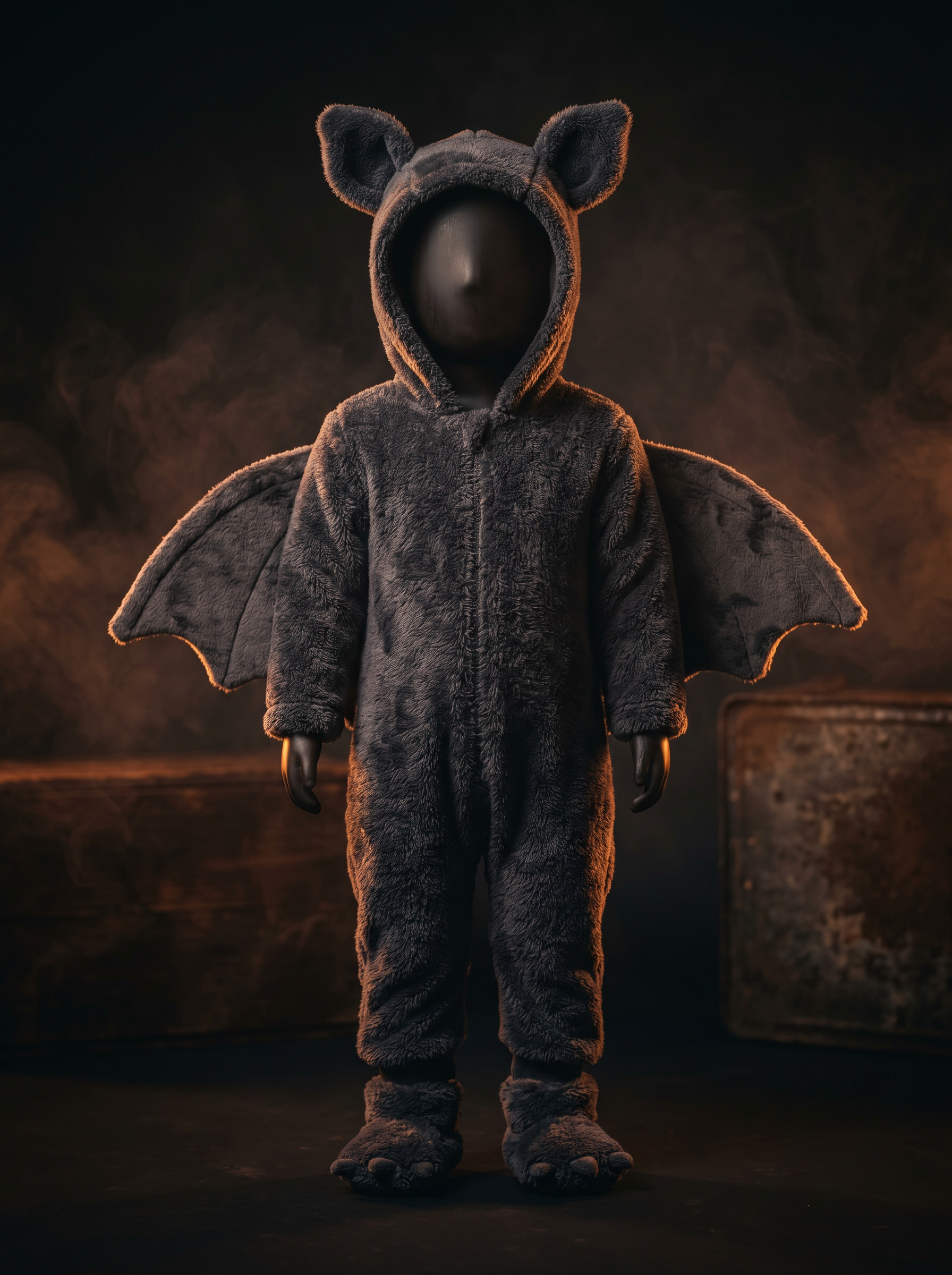
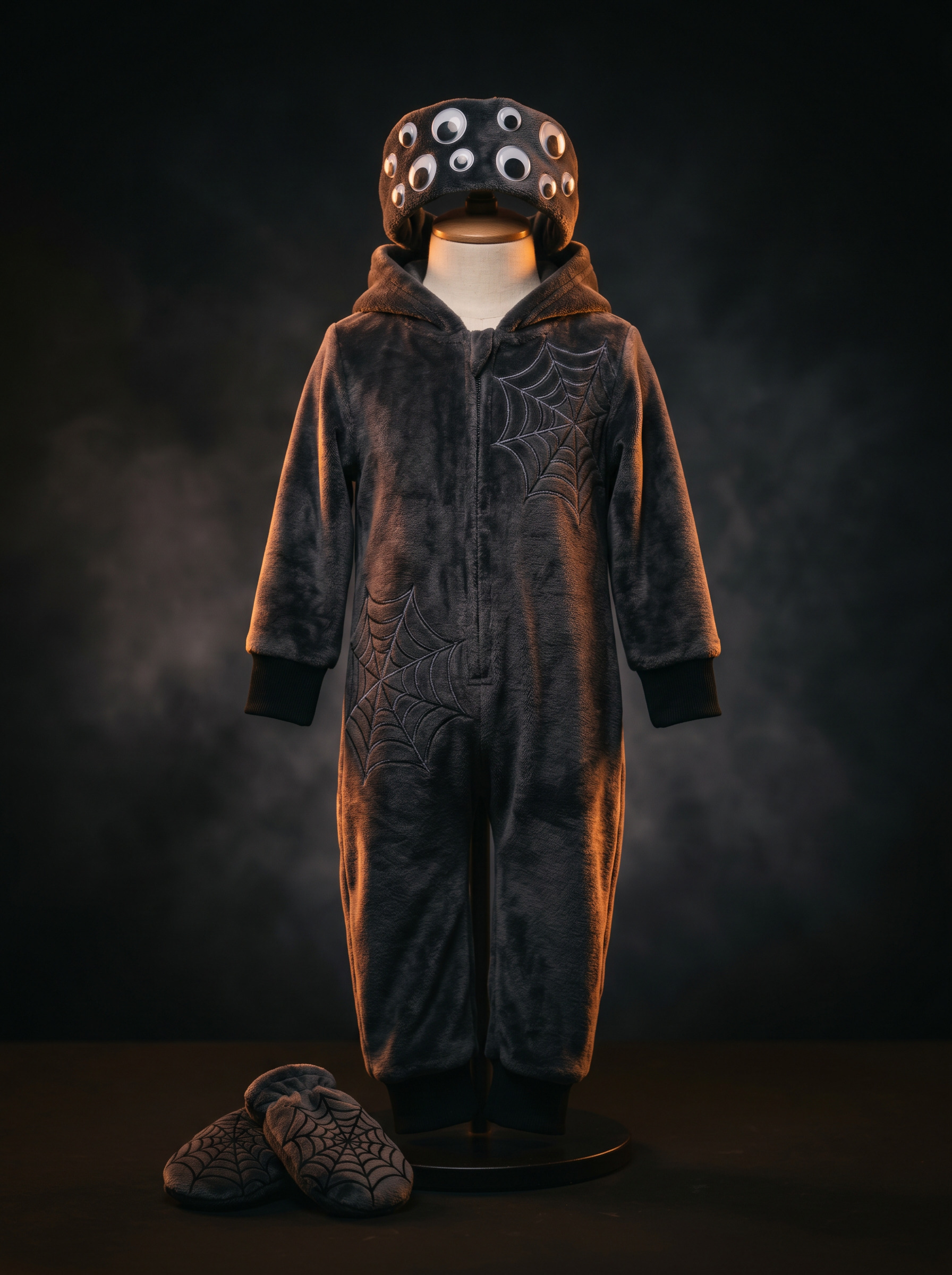
The real test no photo can show you
A kids' costume looks great in a doorstep photo before you leave the house. The real test happens two hours later, after stairs, sidewalks, candy bags, and at least one minor meltdown about something unrelated to the costume entirely. Durability and ease of movement matter more here than almost any other single factor.
Why this age range needs its own buying logic
Kids old enough to walk an entire trick-or-treating route independently have very different needs than toddlers who'll mostly be carried. They're active, opinionated about what they'll actually wear, and spending real time outdoors covering real distance, which means the costume needs to function as genuine outerwear, not just a photo prop.
What to prioritize when choosing
- Warmth appropriate to your actual climate, layering room matters if trick-or-treating happens after dark in cooler weather.
- A costume a child can move freely in: running, climbing porch steps, sitting down in a car seat without the costume bunching or restricting.
- Visibility, both for safety (being seen by drivers and other pedestrians) and comfort (no face coverings that limit a child's own sightlines).
Building it: budget vs. splurge
- Budget: simple, well-fitting costumes built from soft, durable fabric, often reusable or adaptable from one year to the next.
- Mid-range: costumes with a bit more detail or theming, still prioritizing comfort and ease of movement over intricate construction.
- Splurge: fully custom or elaborate builds, generally better suited to a costume contest or party than an actual evening of door-to-door walking.
A practical durability checklist
Check seams and attachment points before the big night, anything glued or lightly stitched is likely to fail under real movement. Reinforce weak points with a needle and thread or fabric tape ahead of time rather than discovering the failure mid-evening.
Letting kids have input on their own costume
At this age, kids often have strong opinions about what they want to be, and a costume genuinely chosen rather than imposed tends to get worn far more willingly, even if it's less coordinated with a sibling's or family theme. Building in some room for their preference usually pays off in less resistance on the actual night.
Quick FAQ
**How early should I test the costume for comfort?** A few days ahead, having your child wear it around the house for thirty minutes reveals most comfort or movement problems before it's too late to fix them.
**What's the most overlooked detail in kids' costumes?** Bathroom access. A costume that's difficult to get in and out of quickly causes more mid-evening stress than almost any other factor.
**Should I prioritize warmth or breathability?** This depends entirely on your local climate and the actual evening forecast, check the weather close to the date rather than assuming based on typical seasonal temperatures.
**How do I keep a costume looking good for a multi-stop evening?** Choose fabric and colors that hide minor dirt and wear, busy patterns and darker tones hold up visually better over a long evening than plain light colors.